

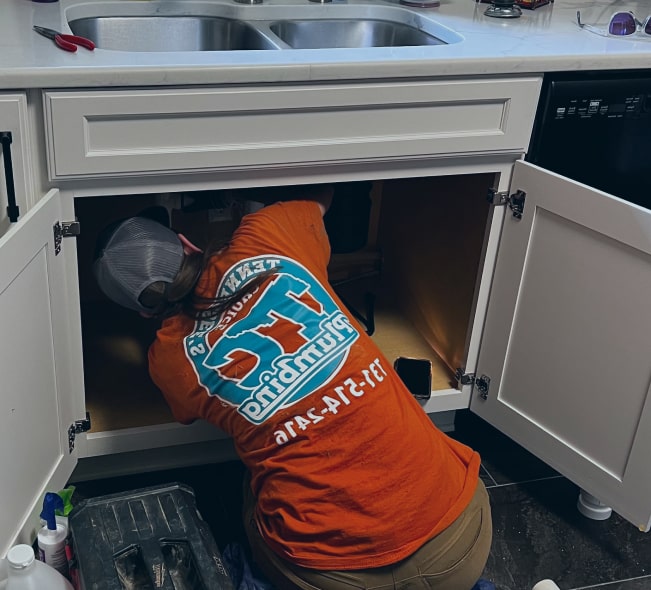
Your kitchen sink refuses to drain on a Sunday morning. Water pools around greasy dishes, and that familiar sinking feeling hits. You’ve tried the plunger three times already. Now you’re wondering if calling a professional is really necessary, or if you’re just throwing money down the drain (pun intended).
This question comes up frequently for homeowners, especially when facing the choice between a $20 bottle of chemical cleaner and a service call that could run several hundred dollars. Here’s some info that might help: what seems like an expensive fix today could prevent a much larger expense tomorrow.
At Tennessee’s Choice Plumbing, we’ve helped many homeowners across Jackson, Milan, Dresden, and surrounding areas make this exact decision. We understand the hesitation. Nobody wants to spend money they don’t have to spend. So let’s look at what professional drain cleaning actually costs in 2025, what you get for that money, and when it makes sense to pick up the phone.
What Does Professional Drain Cleaning Actually Cost in 2025?
Let’s talk about real numbers. Based on current industry data, here’s what you can typically expect to pay:
Basic snaking for a single fixture usually runs between $200 and $400. This works well for straightforward clogs in your bathroom sink or shower.
Main line cleaning that affects multiple fixtures ranges from $175 to $600. These are the more serious blockages that back up your whole system.
Hydro jetting averages $300 to $800 or more, depending on the severity of buildup and length of pipe needing treatment.
Camera inspections as an add-on service cost between $200 and $500, but they show exactly what’s happening inside your pipes without any guesswork.
One thing that’s important to understand is that pricing varies based on your location, the complexity of the problem, and how accessible your plumbing services are. These figures represent national averages for 2025, but your specific situation might differ.
The Hidden Problem with DIY Solutions
Here’s what usually happens with do-it-yourself approaches:
You grab a plunger or a basic snake from the hardware store. It costs maybe $15 to $30. You work on the clog for 20 minutes, and sometimes it clears. Problem solved, right?
Not quite. DIY tools typically only address surface-level blockages. They push the clog further down or create a temporary opening, but the buildup on your pipe walls stays right where it is. Within weeks or months, you’re dealing with the same slow drain again.
Chemical drain cleaners present an even bigger concern. While they might cost less than $10 per bottle, they carry significant risks that most people don’t realize:
- Pipe corrosion happens gradually, especially in older metal pipes or even PVC
- Heat generation from chemical reactions can warp pipes
- Weakened joints become vulnerable to leaks over time
- Environmental impact affects water systems
According to information from Benjamin Franklin Plumbing’s 2025 analysis of chemical cleaner risks, these products create more problems than they solve in many cases. The temporary relief isn’t worth the long-term damage.
Why Professional Methods Work Better
When you call Tennessee’s Choice Plumbing or another licensed plumber, you’re getting more than just someone with a bigger snake. Here’s the difference:
Proper Diagnosis First
Professional plumbers can use camera inspection technology to see exactly what’s causing your drain issues. Is it hair and soap scum? Grease buildup? Tree roots invading your main line? A collapsed section of pipe?
You can’t fix what you can’t see. This diagnostic step prevents wasted time and money on treatments that won’t address your actual problem.
Hydro Jetting: The Most Effective Solution
This method deserves special attention because it offers something DIY approaches simply cannot match.
Hydro jetting uses high-pressure water streams (usually 3,000 to 4,000 PSI) to:
- Completely remove grease, scale, and debris from pipe walls
- Clear out tree roots that have infiltrated your sewer line
- Restore pipes to nearly original flow capacity
- Prevent future clogs by eliminating the buildup where new blockages form
According to Acme Plumbing’s analysis of hydro jetting benefits, this method is eco-friendly because it relies only on water pressure. No harsh chemicals enter your plumbing system or the environment.
Results typically last significantly longer than snaking alone. While a basic snaking might give you six months before problems return, hydro jetting often keeps drains clear for a year or more.
Experience Makes a Difference
Licensed professionals have seen hundreds or thousands of drain problems. They recognize patterns, anticipate complications, and know which approach will work best for your specific situation. This expertise prevents the trial-and-error cycle that homeowners often experience.
The Real Cost of Waiting
Here’s where the math gets important. Let’s say you skip professional drain cleaning services to save $300 today. What could that decision cost you down the road?
Sewer line repairs range from $150 to $3,800 for minor fixes, according to 2025 HomeAdvisor data. But if you need a full replacement? You’re looking at $2,000 to $10,000 or more for 40 to 50 linear feet of pipe.
These major repairs can happen when neglected clogs cause:
- Constant pressure that weakens pipe joints
- Backup of sewage that corrodes pipe materials
- Tree root penetration through small cracks that worsens over time
- Complete pipe collapse from accumulated damage
We’ve worked with homeowners who faced these scenarios. In most cases, regular maintenance would have prevented the emergency. Spending $200 to $400 every year or two is substantially less expensive than a $5,000 surprise repair.
Think of it like changing your car’s oil. You wouldn’t skip that maintenance and then act surprised when your engine fails. Your plumbing system works the same way.
Signs You Need Professional Help Right Now
Some situations clearly call for expert attention. Watch for these warning signs:
Multiple slow drains throughout your house suggest a main line problem, not just individual fixture issues.
Gurgling sounds when water drains indicate air trapped in your pipes, which often means a developing blockage.
Persistent odors coming from drains signal buildup of organic matter that’s decomposing in your pipes.
Water backing up in unexpected places (like your shower when you flush the toilet) means you have a serious clog affecting your whole system.
Recurring problems where the same drain clogs every few weeks point to an underlying issue that surface treatments aren’t solving.
If you’re experiencing any of these, waiting typically makes the situation worse and more expensive to fix.
What Causes Most Drain Problems?
Understanding common culprits helps you prevent issues in the first place:
Kitchen Drains
Grease buildup accounts for the majority of kitchen sink problems. When you pour fats, oils, or grease down the drain, they cool and solidify on pipe walls. Over time, this creates a thick coating that catches food particles and other debris.
Coffee grounds, eggshells, and starchy foods like pasta also contribute to clogs by creating a paste-like substance.
Bathroom Drains
Hair and soap scum cause roughly 40% of bathroom clogs, based on industry observations. Hair binds with soap residue, forming dense masses that trap other materials.
Dental floss, cotton swabs, and “flushable” wipes (which aren’t actually flushable) worsen the problem.
Main Sewer Lines
Tree roots seek out the moisture in sewer pipes. They can infiltrate through tiny cracks or joints, then grow into major obstructions.
Aging infrastructure, shifting soil, and accumulated debris from years of use all contribute to main line issues.
When DIY Makes Sense (And When It Doesn’t)
To be fair, not every drain problem requires a professional. Here’s how to think about it:
Try DIY first if:
- It’s the first time this drain has clogged
- Only one fixture is affected
- You can see the obvious cause (like hair in a shower drain)
- A plunger or manual snake clears it completely
Call a professional when:
- The clog returns within days or weeks
- You’ve already tried DIY methods without success
- Multiple drains are slow or backing up
- You smell sewage or see water pooling in unexpected places
- You’re dealing with your main sewer line
The key distinction is between a minor, isolated incident and a pattern that indicates a bigger problem.
How Often Should You Schedule Professional Cleaning?
For most homes, professional drain cleaning every one to two years keeps systems running smoothly and helps prevent emergency situations.
Some situations call for more frequent service:
- Older homes with aging pipes
- Properties with large trees near sewer lines
- Households that generate a lot of grease or hair
- Buildings that have experienced recurring clogs
Think of this as preventive maintenance rather than reactive repair. You’re investing in the longevity of your entire plumbing system.
The Environmental Factor
Chemical drain cleaners harm more than just your pipes. According to environmental assessments from plumbing industry sources, these products:
- Contaminate water treatment systems
- Release toxic fumes during use
- Persist in groundwater
- Harm aquatic ecosystems when they eventually reach waterways
Hydro jetting and mechanical snaking avoid these environmental concerns entirely. You get effective results without contributing to pollution.
Making the Decision: Is It Worth It?
Let’s bring this back to the original question. Here’s the straightforward answer:
Professional drain cleaning is generally worth the cost when:
- You value your time and want the problem fixed correctly the first time
- You’re experiencing recurring clogs that DIY methods don’t resolve
- You want to help prevent costly emergency repairs down the road
- You care about protecting your pipes from chemical damage
- You prefer environmentally responsible solutions
It might not be necessary if:
- You have a minor, first-time clog in an accessible location
- Simple mechanical methods (plunger) clear the problem completely
- You have the skills and tools to safely handle basic maintenance yourself
For homes in Jackson, Milan, Dresden, and throughout Tennessee’s Choice Plumbing’s service area, local factors matter too. Older infrastructure, clay pipes common in some neighborhoods, and regional soil conditions all affect how often you’ll need professional service.
The calculation usually looks like this: $200 to $400 per year in preventive maintenance versus $2,000 to $10,000 in emergency repairs. From a purely financial standpoint, professional cleaning typically makes sense.
But there’s also the peace of mind factor. Knowing your drains are clear, your pipes are in good condition, and you’re not one clog away from a sewage backup in your basement? That’s worth something too.
Ready to Keep Your Drains Flowing?
You don’t have to wait for a plumbing emergency to take action. Regular professional drain cleaning protects your home, can save you money in the long run, and gives you one less thing to worry about.
At Tennessee’s Choice Plumbing, we use modern diagnostic tools and effective cleaning methods to keep drains clear for homeowners throughout West Tennessee. Our team brings honest service and professional expertise to every job, whether it’s a routine cleaning or a complex main line issue.
If you’re dealing with slow drains, recurring clogs, or just want to stay ahead of potential problems, we’re here to help. We work quickly and efficiently, and we focus on leaving every client with the job done right the first time.
Frequently Asked Questions
How long does professional drain cleaning take?
Most basic drain cleaning jobs take 30 minutes to an hour for a single fixture. Main line cleaning or hydro jetting might take two to three hours, depending on the severity of buildup and the length of pipe being treated.
Will drain cleaning damage my pipes?
Professional methods performed by licensed plumbers are designed to protect your pipes. Hydro jetting is safe for most modern plumbing when done correctly. Your plumber will assess your system first to choose the appropriate pressure and technique. Chemical drain cleaners pose a much higher risk of pipe damage than professional mechanical or hydro jetting methods.
How do I know if I need hydro jetting instead of basic snaking?
A camera inspection helps determine this. If you have heavy grease buildup, tree roots, or recurring clogs despite previous snaking, hydro jetting is usually the better option. Your plumber can explain which method suits your specific situation after evaluation.
Can I prevent drain clogs completely?
While you can’t eliminate all clogs, you can reduce them significantly by avoiding pouring grease down drains, using drain screens to catch hair, not flushing anything except toilet paper, and scheduling regular professional cleanings. These habits extend the time between service needs.
What’s the difference between a plumber’s snake and hydro jetting?
A snake (or auger) mechanically breaks through clogs and pulls out debris, but it leaves residue on pipe walls. Hydro jetting uses high-pressure water to completely clean pipe interiors, removing buildup and helping prevent future clogs more effectively. Hydro jetting costs more but typically provides more thorough, longer-lasting results.
Do chemical drain cleaners ever make sense to use?
Most plumbing professionals recommend against chemical cleaners due to risks of pipe corrosion, environmental harm, and the potential for dangerous reactions. The temporary relief they provide usually isn’t worth the long-term damage. Mechanical methods or professional service are safer alternatives.
How much does it cost to fix a main sewer line if I wait too long?
Main sewer line repairs range from $150 to $3,800 for minor fixes. Full replacement can cost $2,000 to $10,000 or more for a typical residential line. These costs depend on the length of pipe affected, depth of the line, and whether excavation is required. Regular professional maintenance helps avoid these expensive emergency repairs.